Address
304 North Cardinal
St. Dorchester Center, MA 02124
Work Hours
Monday to Friday: 7AM - 7PM
Weekend: 10AM - 5PM
Address
304 North Cardinal
St. Dorchester Center, MA 02124
Work Hours
Monday to Friday: 7AM - 7PM
Weekend: 10AM - 5PM


Transform your space with Decor Items That Make a House Feel Like Home. Discover cozy touches that add warmth, personality, and comfort to every room.
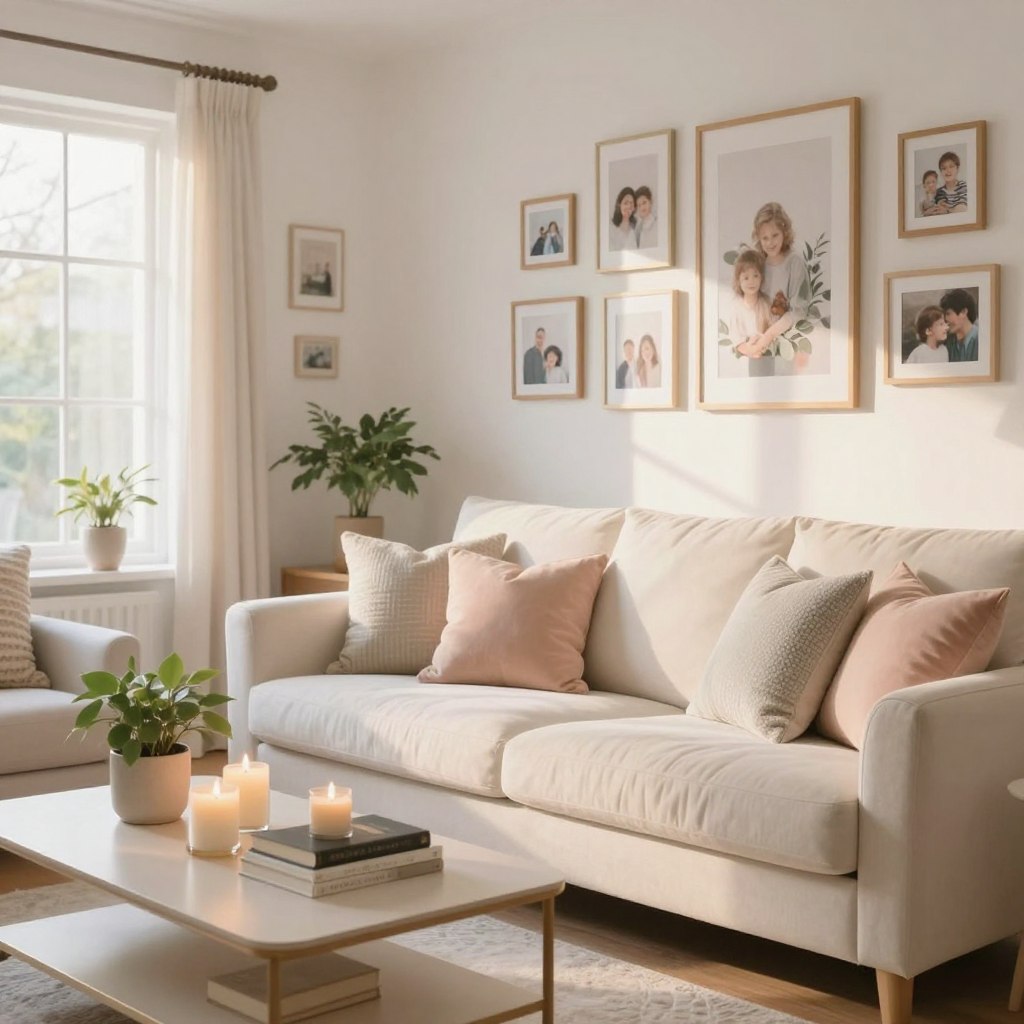
Walking into your house after a long day should feel like a warm hug. The difference between a house and a true home is simple. It’s about the spaces around you reflecting who you are. It’s not about buying expensive furniture or following design trends that don’t touch your heart.
Decor items that make a house feel like home are personal choices. They tell your story. They make you smile when you see them. A cozy blanket from West Elm on your sofa, a family photo on your shelf, or plants from a local nursery can change how a room feels. These touches turn empty rooms into spaces where memories are made.
The right decor items create comfort and joy. They help you relax. They welcome guests with warmth. Best of all, building a home doesn’t need a big budget. It needs intention and love.
In this article, you’ll find decor items that make a house feel like home. From soft textiles to lighting choices, from family photos to natural plants, each element is important. You’ll learn how to mix practical pieces with sentimental touches. You’ll see that creating a true home is a journey that’s unique to you.
Let’s explore the decor items and design choices that turn your house into a sanctuary. Your home is waiting to reflect the real you.
A perfectly styled showroom looks great in magazines and online. But, many feel empty when they see it in person. The key to a warm home is personal meaning. When you fill your space with meaningful items, it starts to feel like you.
Personalized decor is not about following trends. It’s about filling your space with items that tell your story. These pieces show who you are, where you’ve been, and what you value.
Your home should reflect your identity and life. Generic furniture and decor make spaces feel cold and impersonal. Personal touches make your space truly yours.
Personalization can take many forms. Think about these meaningful additions:
Choose items that truly speak to your heart. You don’t need to fill every space. Pick pieces that add to your home’s feeling.
Certain objects can instantly take us back. A grandmother’s quilt can make you feel warm and safe. A vacation photo can bring back happy memories. Your child’s artwork can fill you with pride and love.
Personal touch home furnishings don’t have to be expensive. A thrifted mirror, a handwritten recipe card, or a beloved plant passed from a friend are valuable. Their worth comes from their meaning to you, not their cost.
Think about what makes you smile. What makes you feel safe and happy at home? Display those items. By filling your space with meaningful items, you create a sanctuary that nourishes your body and soul.
Soft textures can quickly make any room feel welcoming. Layering different fabrics adds both visual interest and a tactile experience. This makes your home feel cozy and inviting.
Think about the textiles you see and touch daily. Throw blankets, decorative pillows, plush rugs, soft curtains, and table linens all add to comfort. Each piece helps create the overall feel of your space.
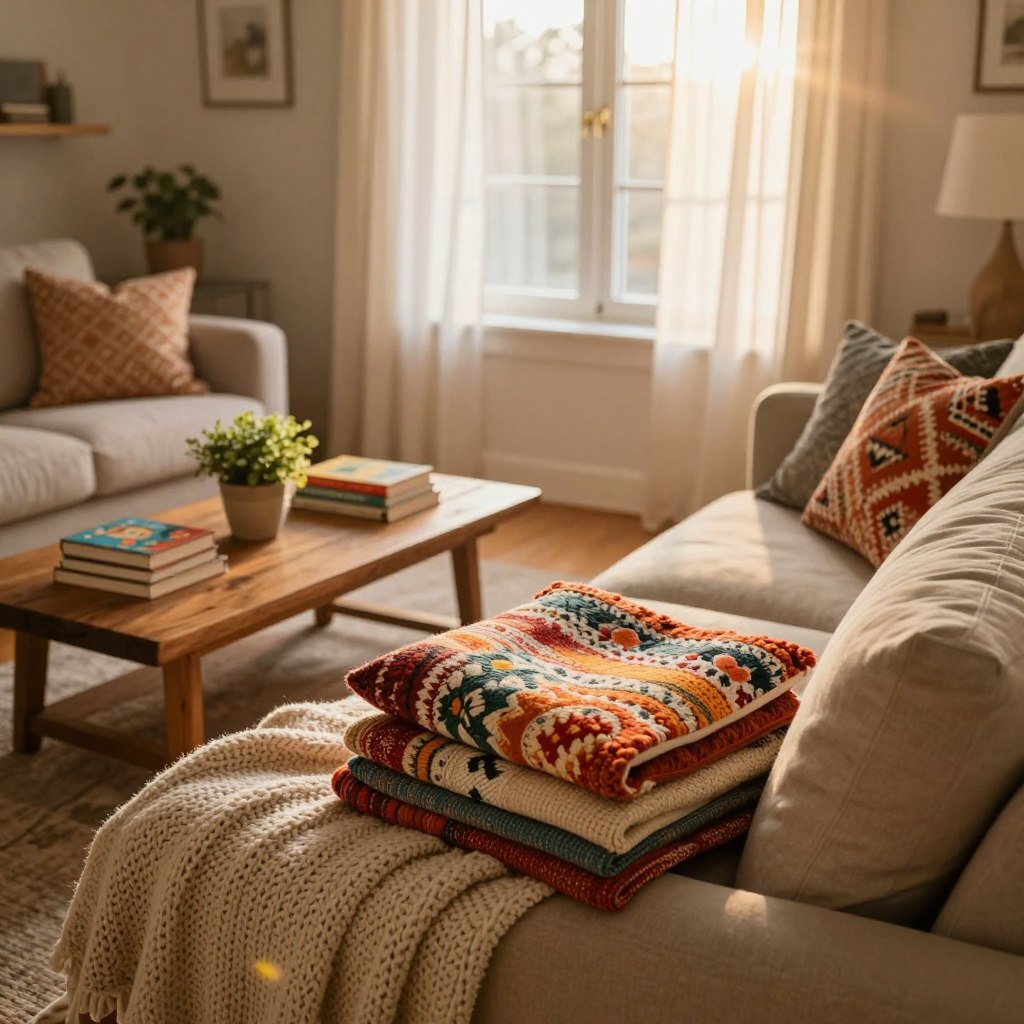
Choosing the right fabrics is key to creating the desired feel. Here are some popular options for cozy home decorating:
Layering these textures adds depth to any room. A soft cotton curtain with a chunky knit throw and velvet cushions feels luxurious and comfy.
The colors and patterns you choose are just as important as the textures. Warm neutrals like beige, cream, and soft gray create calm spaces. Bold patterns add energy, while soft pastels promote relaxation.
Mixing high and low price points is smart. A quality area rug is a good investment, while affordable throw pillows let you update your look easily. This keeps decorating ideas budget-friendly and flexible.
Textiles do more than just decorate. Area rugs define zones in open floor plans. Curtains improve acoustics, control light, and add privacy. A plush rug beside your bed is a warm spot on cold mornings.
“The way things feel in your home matters just as much as how they look. Textiles bridge the gap between beauty and comfort.”
Your home should engage all your senses. By choosing textiles wisely, you create spaces that feel as good as they look. This approach turns ordinary rooms into welcoming sanctuaries for you and your family every day.
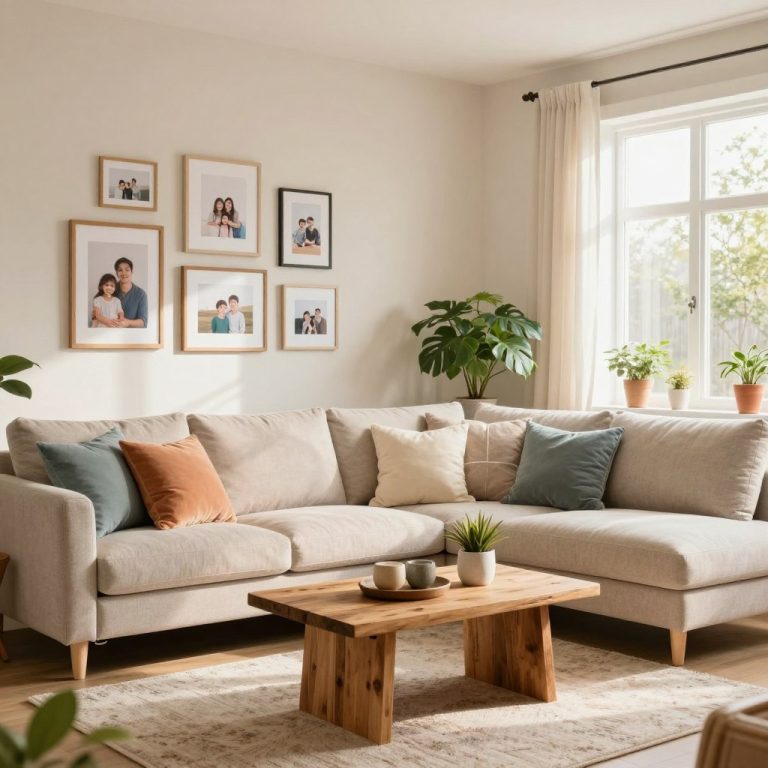
Family photos add warmth and personality to any room. They turn your home into a reflection of your loved ones. This makes your space welcoming to everyone who visits.
Your memories are special and should be celebrated. Instead of hiding them, show them off in your home. This strengthens family bonds and makes your house feel like home.
Finding the perfect frames is key for great home decor. The right frame can make your photos and room look better.
| Frame Style | Best For | Visual Effect | Durability Features |
|---|---|---|---|
| Matching Frame Sets | Cohesive, organized look | Clean and polished | Uniform sizing and protection |
| Mixed Metal Frames | Eclectic, modern spaces | Artistic and dynamic | Varied protective glass options |
| Floating Frames | Contemporary homes | Minimalist and sleek | UV-protective glass available |
| Wood Frames | Traditional or rustic decor | Warm and inviting | Natural material longevity |
Consider UV-protective glass for your most treasured photos. This glass prevents fading from sunlight. When arranging photos, group them in odd numbers for better balance.
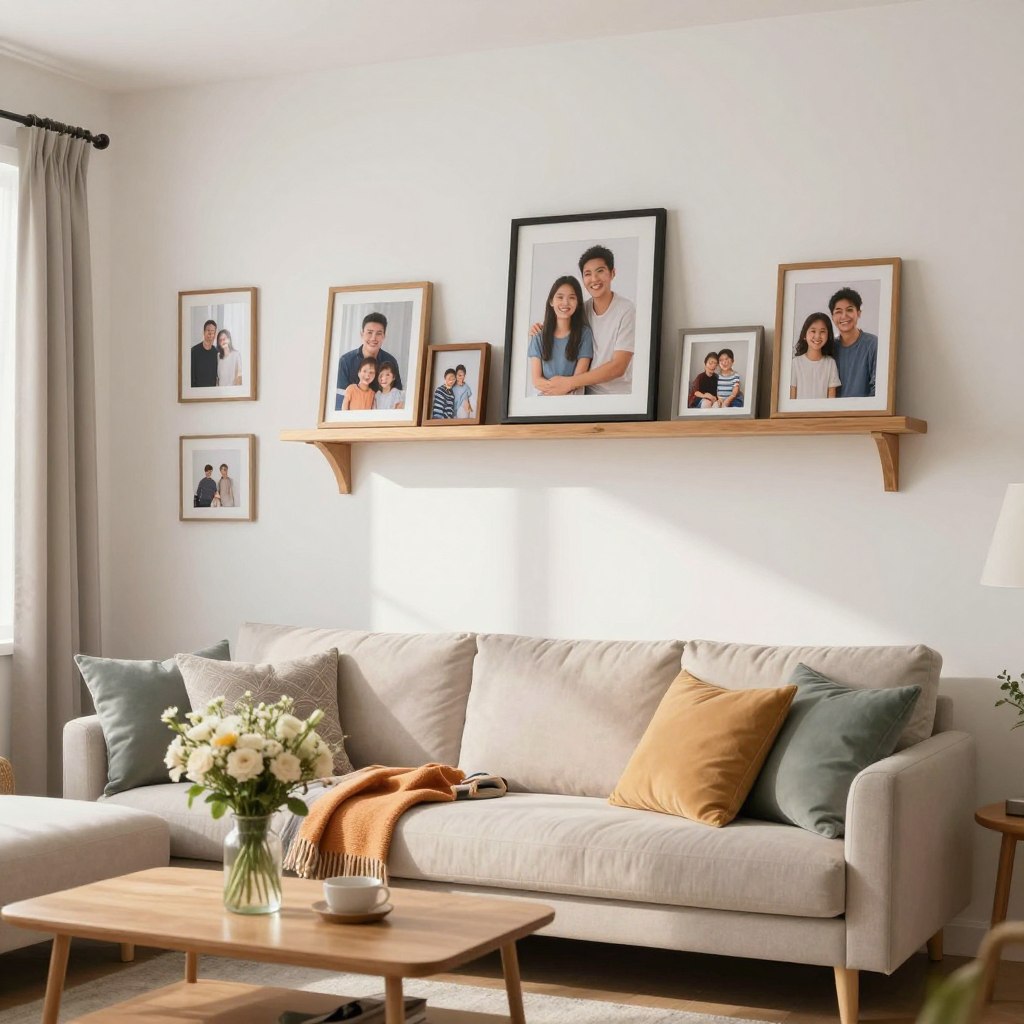
A gallery wall tells your family’s story. Start with different types of images: portraits, vacation snaps, and your children’s artwork. This mix makes your wall personal and authentic.
Plan your layout before hanging. Lay frames on the floor to test arrangements. Choose a grid for modern or a salon-style for a relaxed look. Use paper templates to see your design before you start.
Your gallery wall can change as your family grows. Swap in new photos to keep it fresh. This makes your home feel alive and current. Your gallery wall becomes a timeline of joy and love.
Lighting is a key warm and inviting home accessory. It can turn a cold room into a cozy place. Unlike other decor, lighting affects your mood and comfort at home.
Most homes use only one light source. This makes rooms feel flat. Designers use three types of light to make spaces warm:
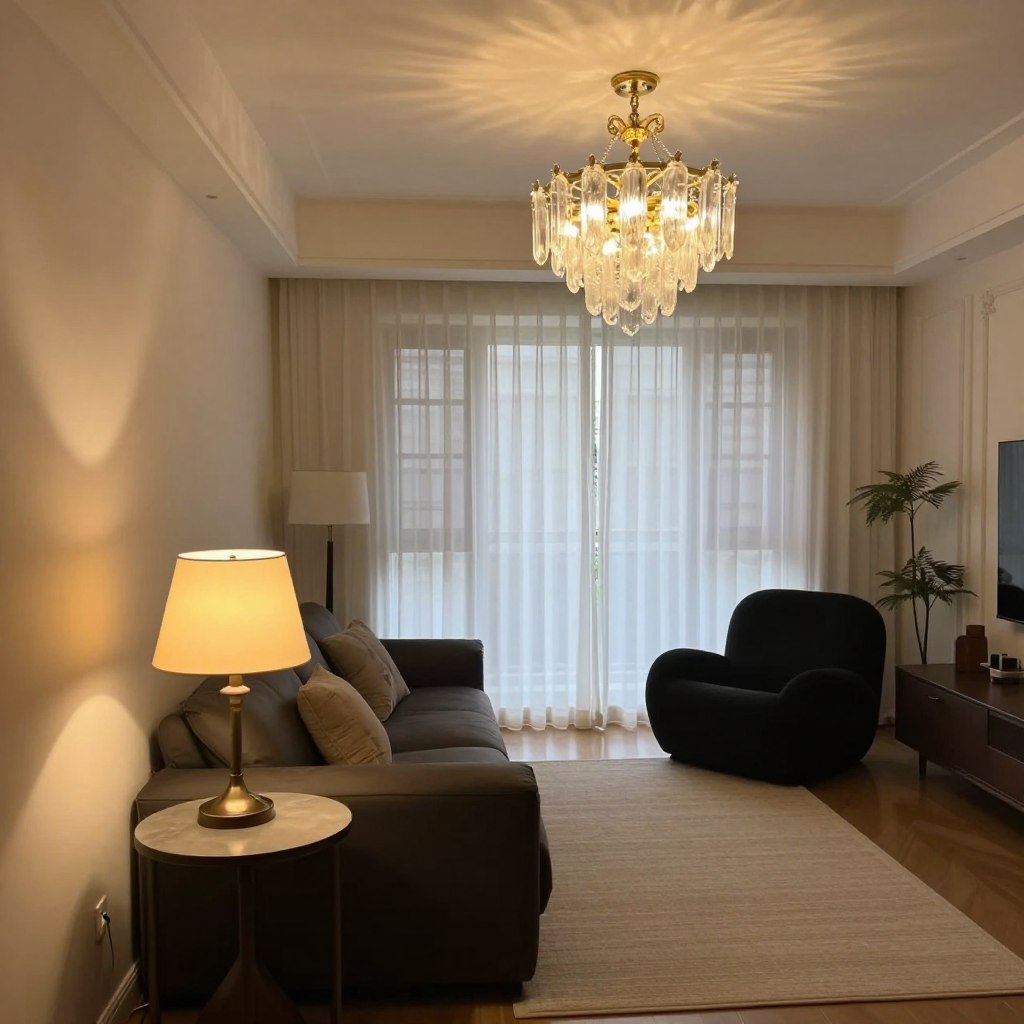
The color of your bulbs is very important. Warm bulbs, between 2700K and 3000K, create a cozy glow. Cool bulbs, above 4000K, are harsh. Choose warm bulbs for a welcoming feel.
Here are some ways to improve your home’s lighting:
| Lighting Type | Best Locations | Color Temperature | Effect |
|---|---|---|---|
| Table Lamps | Nightstands, side tables, shelves | 2700K | Soft, localized warmth |
| Floor Lamps | Reading corners, beside furniture | 2700K-3000K | Flexible brightness control |
| Pendant Lights | Kitchen islands, dining areas | 2700K | Focused task lighting with style |
| String Lights | Bedroom, patio, accent walls | 2700K | Decorative warmth and charm |
| Dimmer Switches | Any room with overhead lights | Adjustable | Mood control and flexibility |
Where you place your lamps is key. Use them at different heights to add interest. Dimmer switches let you adjust light levels for different times of day.
Lighting fixtures can also be decor. Try Edison bulbs, Himalayan salt lamps, or lantern sconces. They add style and light to your space.
Smart bulbs are the future of lighting. Brands like Philips Hue and LIFX let you change colors and brightness with your phone. They help your home feel welcoming all day.
You don’t need to renovate to improve your lighting. A few lamps, warm bulbs, and dimmers can make a big difference. Lighting is an investment in your comfort and mood. Start by checking your current lighting and adding what’s needed.
Creating a warm and inviting space is more than just filling rooms. The right decor pieces are key to making any house feel like home. They make your space beautiful and practical, adding joy to your daily life.
The best homes are built on careful choices. Each decor piece should add to both the look and feel of your space.
Certain decor pieces are essential for a comfortable home. These items work together to make your home inviting from the start.
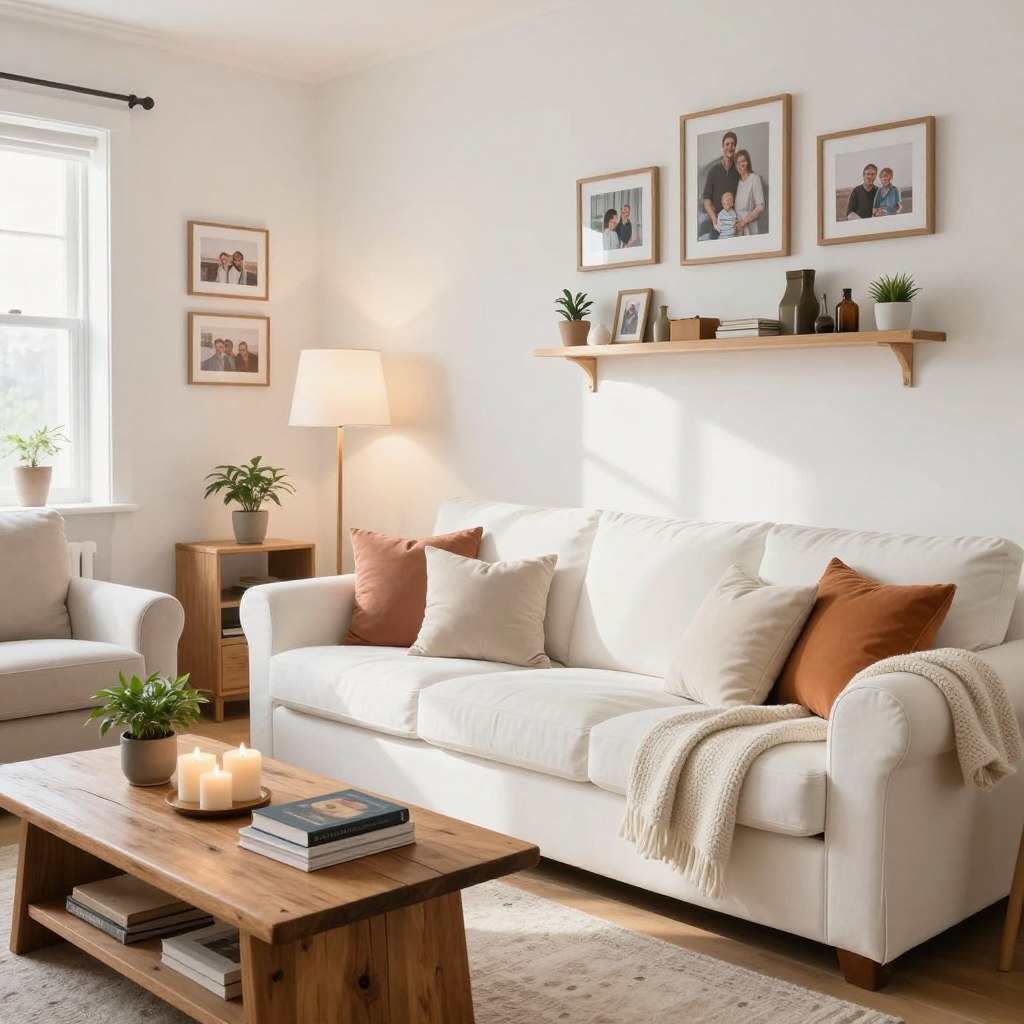
The secret to a welcoming home is choosing decor that does double duty. Your decor should be both beautiful and useful, meaningful and practical.
Consider a vintage ceramic bowl by your entryway. It’s beautiful and holds your keys and mail. Or, keep your favorite cookbooks on open kitchen shelving. They show your interests and provide storage.
A handmade quilt on your sofa tells a story of family connections. It keeps you warm on chilly evenings.
“The homes that feel most like home aren’t decorated with either purely functional items or purely decorative ones. They blend both qualities seamlessly.”
When looking at your decor, ask yourself if it serves a purpose. Does it bring you joy or hold meaning? Can it do both? This way, your home will feel warm and practical, showing who you are.
Bringing nature into your home is a powerful way to make it feel more welcoming. Plants and natural materials add warmth and a sense of grounding. This approach is simple yet powerful, creating a strong bond between you and your home.
Studies show that indoor plants can reduce stress and improve your mood. NASA and the University of Vermont found that greenery boosts productivity. Even small touches of nature can change a room’s energy, making it feel more alive and inviting.
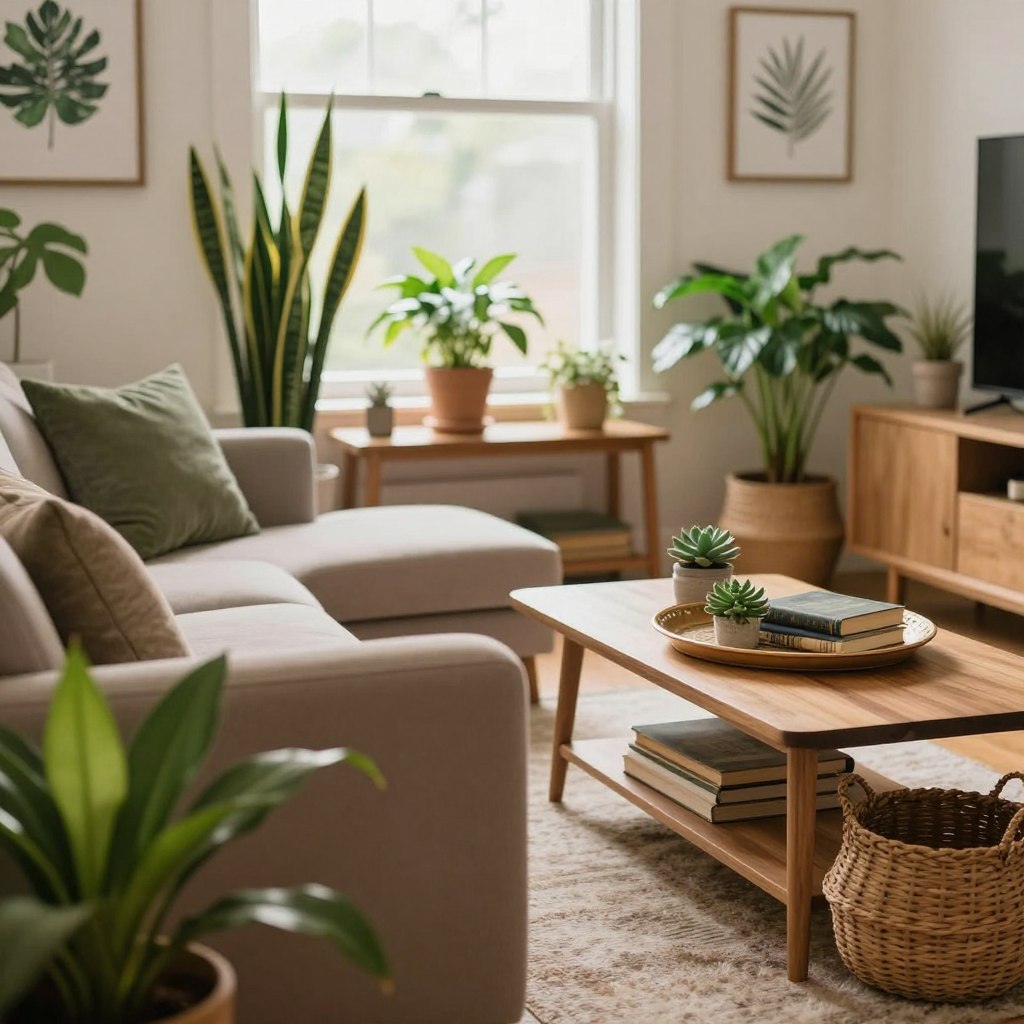
You don’t need to be a plant expert to enjoy them. Start with easy plants that need little care:
These plants are perfect for anyone who wants to add greenery to their home without worry.
Natural materials add texture and warmth beyond just plants. Here are some ideas:
Natural materials age beautifully, gaining character over time. This makes your home feel more genuine and lived-in. Wooden pieces, woven textures, and stone develop unique stories as they age.
Keep your home connected to nature’s rhythms by changing your decor seasonally. Spring blossoms, summer herbs, autumn leaves, and winter evergreen arrangements all refresh your space. These simple changes keep your home feeling connected to nature all year.
Whether you choose real plants or high-quality artificial ones, natural elements are key. They ground your space, create calm, and remind you that home is connected to the natural world.
Your furniture choices greatly affect your home’s feel and function. Choosing pieces that invite you to relax is key. The right seating turns a house into a cozy spot for gathering and connection.
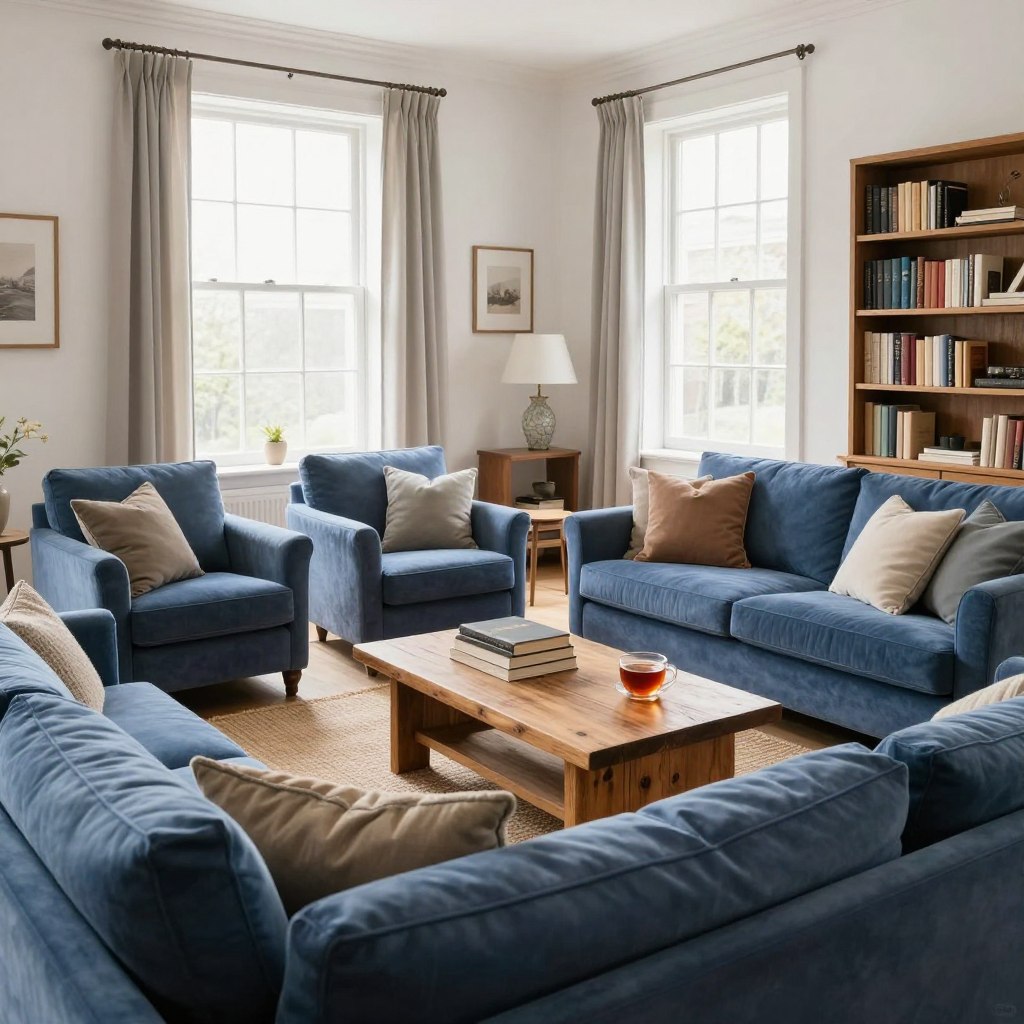
Try out furniture in person whenever you can. Sit on sofas and feel the fabric. Great decor starts with pieces that fit your body and lifestyle.
Don’t just stick to the usual sofa. Reading chairs and window seats offer cozy spots. Ottomans and floor cushions add a relaxed feel. The best furniture is durable and comfy, perfect for everyday use.
How you arrange seating is just as important as what you choose. Conversation-friendly arrangements make sure everyone can talk easily. This encourages real connection.
Smart spacing keeps rooms functional. Seats should be close for talking but allow for movement. In big rooms, create different areas for various activities.
Think about how people move through your rooms. Don’t block paths with furniture. In open spaces, furniture defines zones without walls. This thoughtful arrangement makes your home a place you love to be.
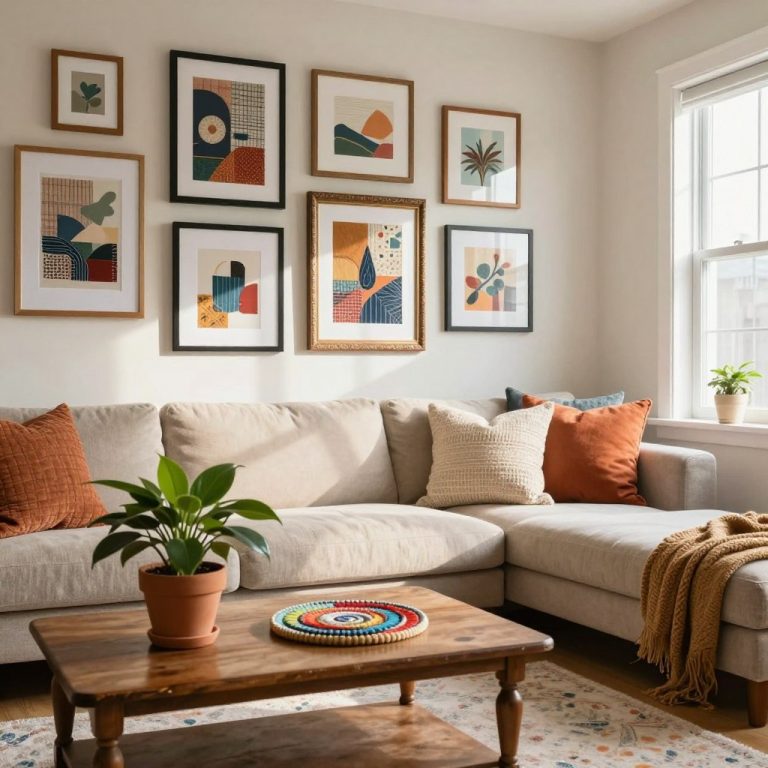
Your walls tell a story about who you are. The items you choose to display turn blank spaces into reflections of your personality and life. Art doesn’t have to be from famous galleries. A child’s drawing, a local artist’s print, or a vintage poster can add warmth to your space.
The best wall decor speaks to you personally. Choose art that reminds you of a special place or reflects your interests. This emotional connection makes your space feel authentic and true to who you are.
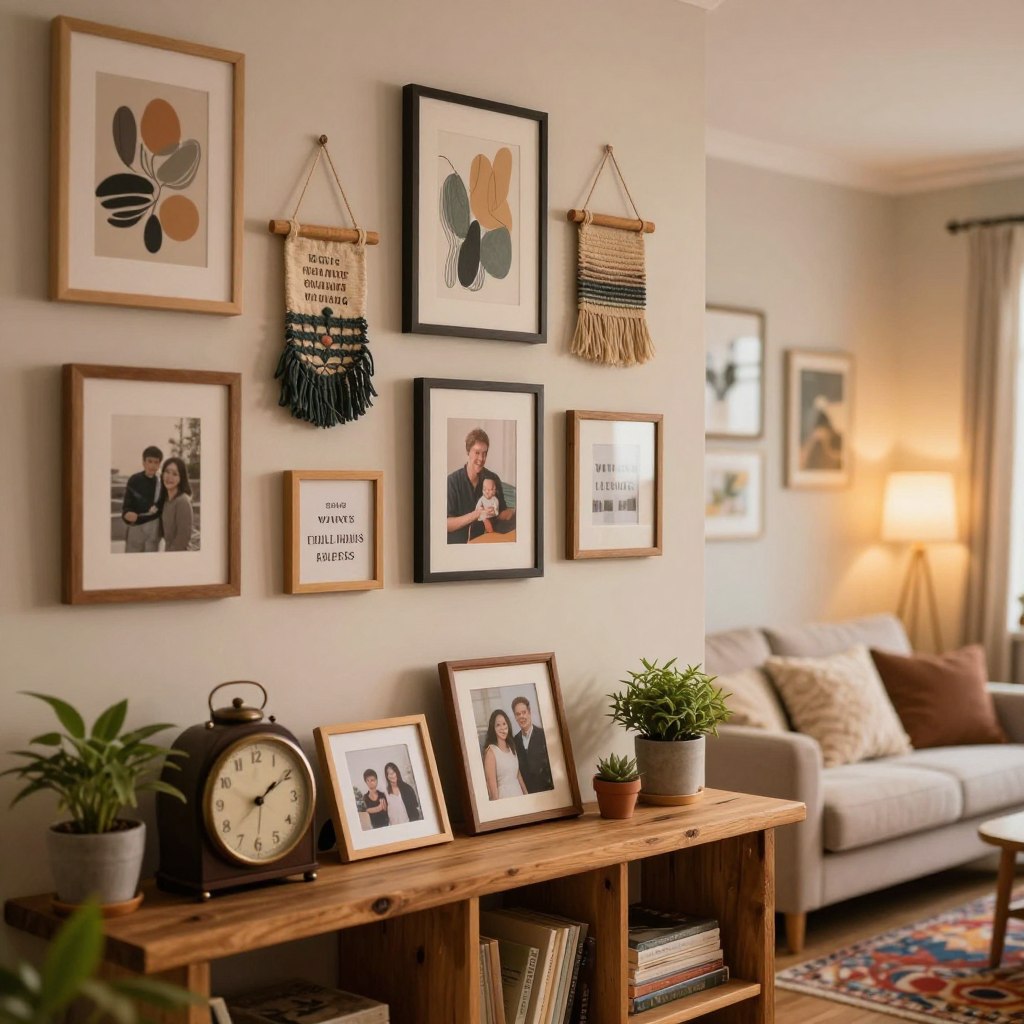
When hanging art, the center should be 57 to 60 inches from the floor. But, break this rule for impact or around furniture. Mix decor by keeping spacing consistent or using a common frame color.
Renters can use command strips for temporary displays. Rotate your decor seasonally or as your tastes change. Empty walls are missed chances to show what you love. Display items that make your house feel like your home, even if they’re not gallery-worthy.
Your home should engage all five senses, not just your eyes. While many focus on what they see, the sense of smell is key in creating comfort. Certain fragrances can take you back to happy memories or make you feel safe and relaxed. A unique scent for your home can be as important as any furniture or color.
Creating the right atmosphere is more than what you see and touch. Your nose can make your space feel welcoming and intentional.
There are many ways to add pleasant scents to your home. Scented candles made with natural waxes and essential oils create a cozy glow. Choose candles from brands like Diptyque or Jo Malone for their sustainable ingredients.
Match scents to the season. Vanilla and cinnamon are great in fall and winter. Fresh linen and citrus are perfect for spring and summer. Don’t mix too many scents in one place.
Engage other senses too. Soft music, a small water fountain, and plush textures create a full sensory experience. Keep your favorite teas and baked goods nearby for taste. A truly comfortable home awakens all your senses at once.
Your home tells your story. Books and collections make it warm and inviting. They turn a house into a place that feels truly yours.
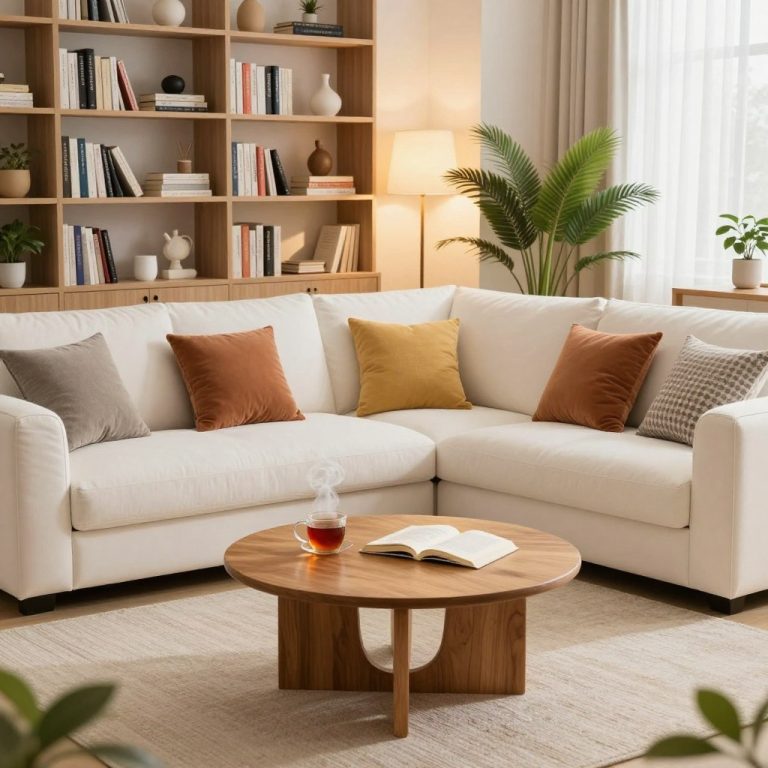
Books are key in making your home special. They add color and warmth to any room. Whether in a library or on coffee tables, they spark interesting conversations.
But books aren’t the only thing that makes your home special. Vintage cameras, tea cups, and more all add to the charm. The trick is to display them in a way that looks good.
Build your collections over time. Keep only what brings you joy. Your collections are a reflection of who you are, not what others think.
| Collection Type | Display Method | Best Location | Style Impact |
|---|---|---|---|
| Books | Shelving with mixed orientation and decorative objects | Home library, living room, bedroom | Adds warmth and intellectual charm |
| Vintage Records | Wall-mounted display or standing against shelves | Living room, music room, bedroom | Creates vintage and eclectic vibe |
| Travel Souvenirs | Shadow boxes or glass-front cabinets | Hallways, office, bedroom | Tells your adventure story |
| Pottery and Ceramics | Open shelving or floating shelves | Kitchen, dining room, living room | Adds texture and artistic flair |
| Vintage Cameras | Display on shelves or in glass cabinets | Office, bedroom, entryway | Brings nostalgia and collector appeal |
Remember, your collections make your house feel like home. They show who you are and what you love. By displaying your interests, you create a space that’s truly yours.
Creating a home that feels like you is incredibly rewarding. We’ve looked at many ways to make your space warm and meaningful. Adding personal touches, cozy textiles, and family photos can make your home special.
Soft lighting and meaningful art also play big roles. Natural plants, comfy furniture, and pleasant scents add comfort to your life. Each item tells a part of your story.
Decor items that make a house feel like home don’t have to be expensive. Your home should show who you are and what makes you happy. It’s not about being perfect or matching magazine spreads.
Real homes have character and show signs of life. Start by looking at what you already own. You might have meaningful pieces waiting to be displayed.
Building your ideal home is a journey, not a race. You can start with one room or corner. Add decor items slowly, choosing things that speak to your heart.
Your space will grow and change as your family does. Trust what feels right to you. Your comfort and happiness are the most important things.
Now is the time to start making your house a true home. Choose a small project today, like arranging photos or adding a throw pillow. Every meaningful item you add makes your home more yours. Your space is waiting for you to make it special.